
Berlin is the perfect destination for a city break, offering a rich blend of history, contemporary culture, and vibrant gastronomy. With over 170 museums, countless cafés, and a sprawling urban landscape more than eight times the size of Paris, Berlin is a city that demands exploration. Its network of canals and bridges — 63 in total — even surpasses that of Venice, making every stroll along the Spree a visual delight. If you’re planning a weekend getaway, here’s your guide to discovering Berlin in three days (or more).
How Long Should You Stay in Berlin?
Berlin is vast, and seeing it on foot alone can cover dozens of kilometres. To make the most of your trip, we highly recommend investing in a Berlin Welcome Card, which provides unlimited access to public transport (trams, metro, buses, trains) and discounts on many attractions. In three days, you can explore most of the city’s highlights, but if your schedule allows, staying five days is ideal — giving you time to experience the city’s peripheral districts and soak in its unique atmosphere.
We recommend starting your visit with a guided tour. Lasting three hours, this tour helps you orient yourself around Berlin, discover key landmarks, and enjoy countless anecdotes. In 2025, the cost is approximately €27 per adult — well worth it for the insider perspective. Book here.
Exploring Mitte: The Historic Heart of Berlin
Begin in Mitte, Berlin’s historic centre. This area brims with museums, cultural institutions, and exceptional dining spots such as House of Small Wonder, a charming café with a strong focus on coffee culture. Mitte also boasts an impressive selection of gluten-free restaurants in Berlin, perfect for health-conscious travellers. Architectural highlights abound here, starting with the Reichstag, home to the German Parliament. Reconstructed by renowned architect Norman Foster after reunification, it offers a free guided tour with advance reservation on the Bundestag website.
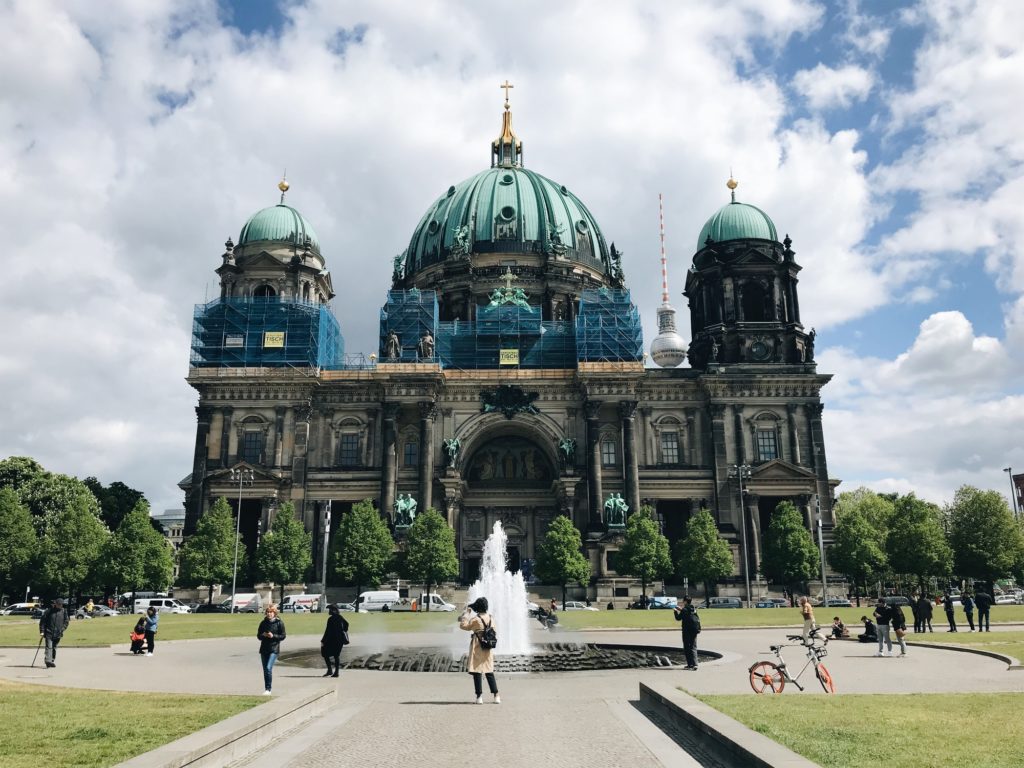
The Berliner Dom, our favourite
Completed in 1905, this magnificent cathedral on Museum Island is Berlin’s largest Lutheran church. It houses the Hohenzollern family crypt and offers rooftop access for breathtaking 360° views over the city and the Spree. Admission is under €10 for adults and discounted for students.


Other notable landmarks include:
- Brandenburg Gate: Built in 1791, this iconic neoclassical monument symbolizes the triumph of peace and serves as the gateway to the Tiergarten park.
- Holocaust Memorial: Located between Brandenburg Gate and Potsdamer Platz, Peter Eisenman’s powerful installation of 2,711 concrete stelae creates a contemplative labyrinth. A nearby information centre provides context for visitors.
- Bebelplatz: Site of the 1933 Nazi book burning, it now commemorates the event with plaques and the “Versunkene Bibliothek,” a submerged library installation. Nearby is Gendarmenmarkt, one of Berlin’s most beautiful squares, known for its preserved neoclassical architecture, and the St. Hedwig’s Cathedral.


Friedrichshain: Berlin’s Bohemian Quarter
Head east to Friedrichshain, a district known for its alternative and artistic energy. Here, nightlife thrives alongside creative spaces, street art, and cultural venues. A must-see is the East Side Gallery, a 1.3-kilometre-long open-air gallery that preserves the largest remaining stretch of the Berlin Wall. International artists have transformed it into a vibrant street-art showcase, featuring the famous Honecker-Brezhnev kiss mural.


Potsdamer Platz: From History to Modernity
Once a bustling hub in the 1920s, Potsdamer Platz became a no-man’s land during the Cold War, divided by the Berlin Wall. Today, it’s a sleek urban centre with modern architecture, shopping complexes, and futuristic buildings — including a nod to New York’s Flatiron.
Nearby, the Sony Center impresses with its central dome inspired by Mount Fuji. This square hosts the annual Berlin International Film Festival, making it a lively spot for both locals and visitors. Potsdamer Platz also holds historical significance: it was home to one of Germany’s first traffic lights, a replica of which can be seen in the square.


Other Must-See Berlin Highlights
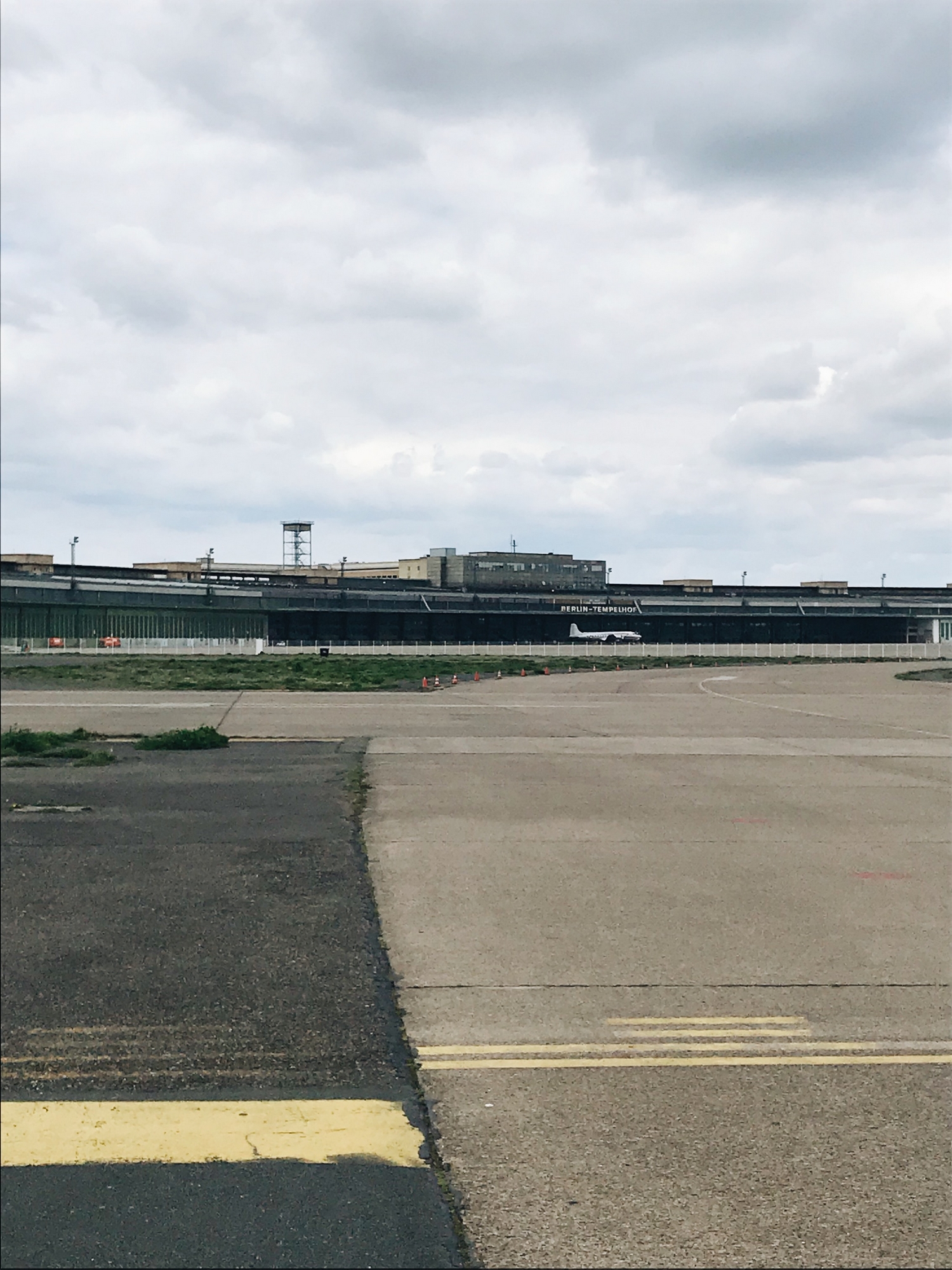
- Tempelhof Airport: Accessible via U6 metro, this former airport is now one of the world’s largest urban parks, spanning 380 hectares — even larger than New York’s Central Park.
- Hotel Adlon Kempinski: A legendary luxury hotel where countless celebrities have stayed.
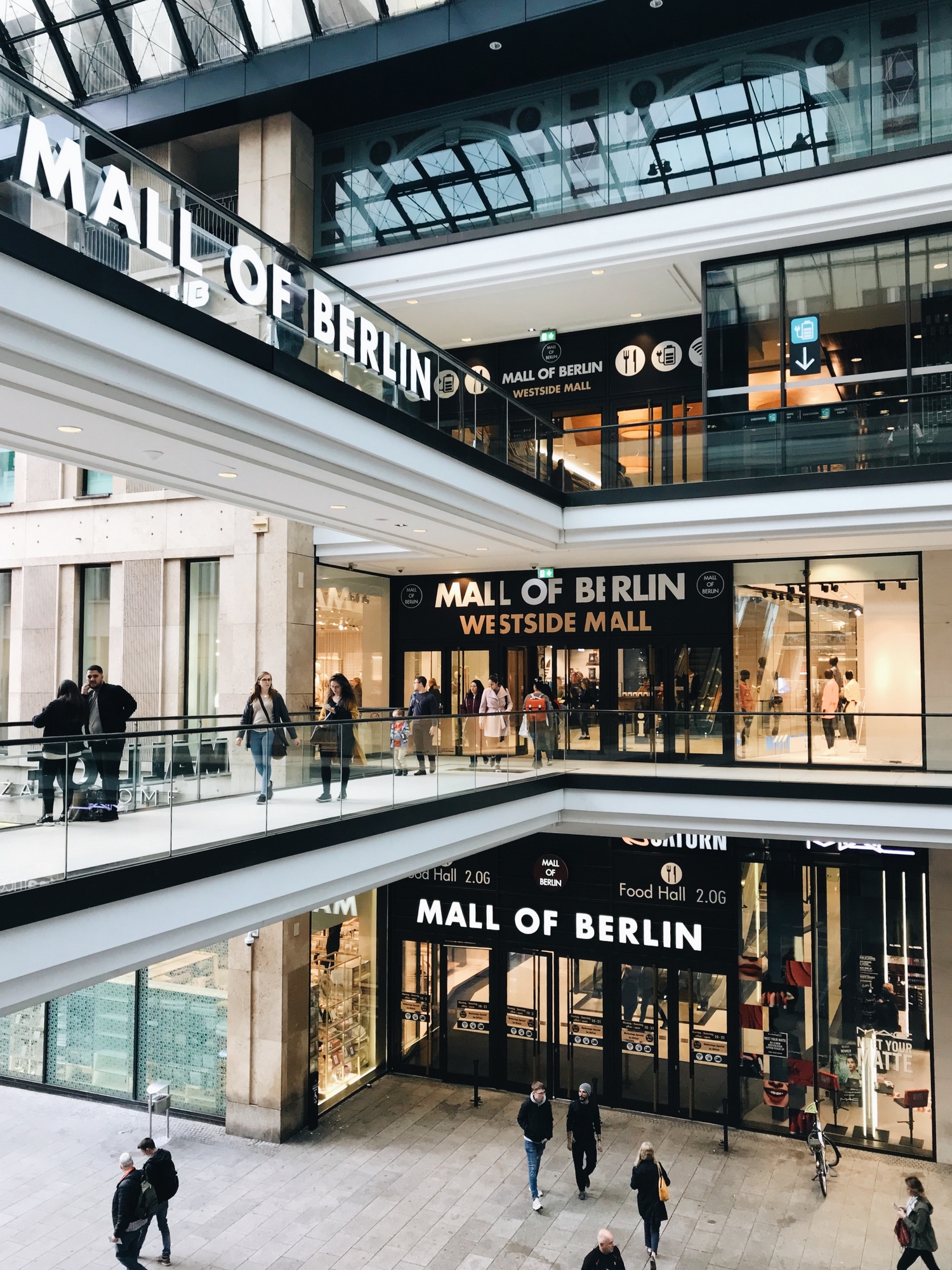
- Mall of Berlin: Ideal for designer shopping or discovering local fashion.

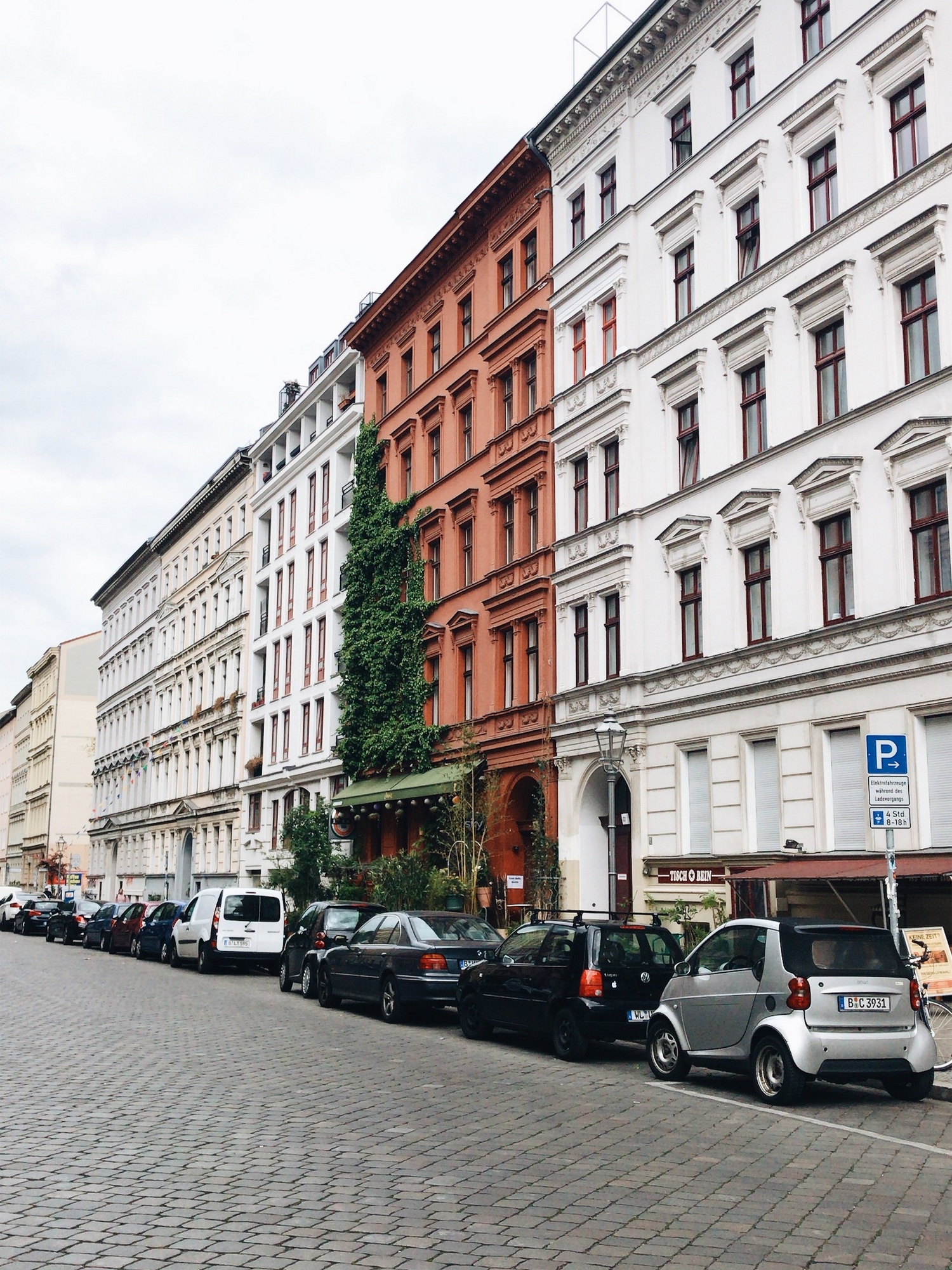
Berlin is a city of contrasts: a place where history and modernity intertwine seamlessly, and where every street, canal, and square tells a story. For further planning, the Berlin Tourism Board website is an excellent resource, offering detailed itineraries, tips, and insights. Special thanks to Julia for her invaluable recommendations.
Where to stay in Berlin?
We rented a charming Airbnb in the Mitte district, which is Berlin’s city center and historic center. We stayed near Rosenthaler Platz, where there are lots of restaurants, cafés, and bars. The neighborhood is pleasant, well served by public transportation, and close to Alexanderplatz, where the television tower is located.
When is the best time to visit Berlin?
The best months to visit Berlin are from May to September.
